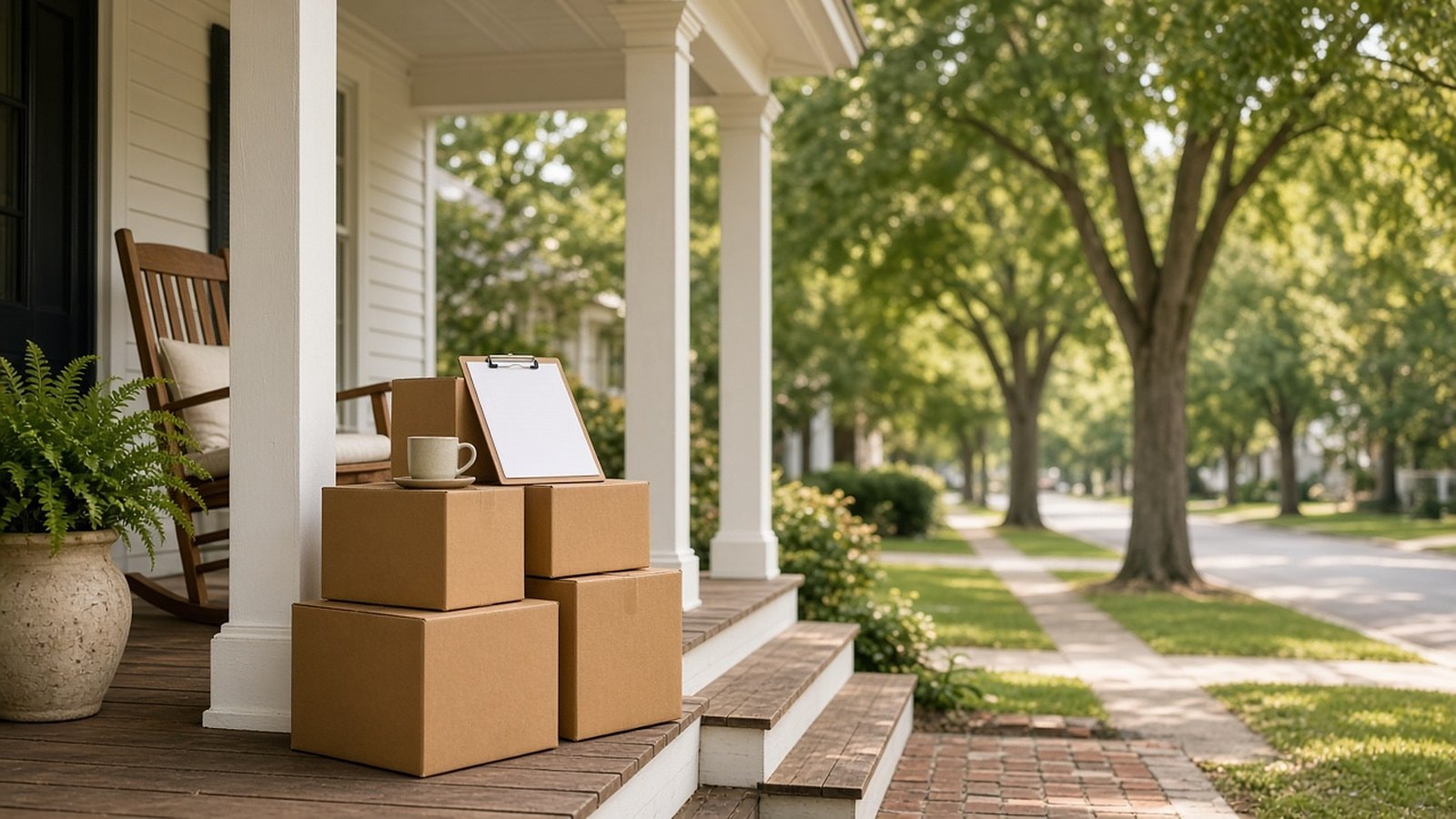
Moving to Marietta: What You Need to Know Before You Relocate
Thinking about moving to Marietta, GA? From neighborhoods and schools to commutes and community life, here is everything you need to know — including insights from local real estate expert Sandra Daniels.

Marietta, Georgia has been one of the most consistently desirable relocation destinations in the Atlanta metro area for good reason. It offers the combination of excellent public schools, established neighborhoods, genuine community character, and reasonable proximity to Atlanta that families and professionals have been seeking for decades.
If you're considering a move to Marietta — whether you're relocating from out of state, moving from another part of metro Atlanta, or simply exploring your options — this guide covers everything you need to know to make an informed decision.
Why People Move to Marietta
The reasons people choose Marietta over other Atlanta suburbs are remarkably consistent. When you talk to residents who have been here for years, the same themes come up again and again: the schools, the neighborhoods, the sense of community, and the quality of life that comes from living somewhere that has real character and history.
"Marietta and East Cobb offer something that's genuinely hard to find in a major metro area — the combination of top-tier schools, beautiful established neighborhoods, and a real sense of community. When I work with relocation clients, I always tell them that once they spend a weekend here, they understand why people choose this area and stay for decades."
— Sandra Daniels, East Cobb Real Estate Specialist, sandradanielsrealtor.com
Understanding Marietta's Geography
Marietta is the county seat of Cobb County, located approximately 20 miles northwest of downtown Atlanta. The city itself has a historic downtown centered on Marietta Square, but the broader Marietta area — particularly East Cobb — extends well beyond the city limits into unincorporated Cobb County.
When people talk about "moving to Marietta," they're often referring to the broader East Cobb area, which includes both the city of Marietta and the surrounding unincorporated communities that share Marietta mailing addresses and Cobb County schools.
Key areas to understand:
- Marietta Square / Historic Downtown — The historic heart of the city, with restaurants, shops, and community events
- East Cobb — The broad residential area east of I-75, known for top-rated schools and established neighborhoods
- West Cobb — More affordable than East Cobb, with its own strong schools in the Cobb County School District
- Kennesaw — A growing city to the north with its own distinct character and Kennesaw State University
The Schools: Cobb County's Biggest Draw
For families with children, the Cobb County School District is often the primary reason for choosing Marietta. The district is consistently rated among the best public school systems in Georgia and produces strong outcomes across a wide range of metrics.
"School zones are one of the first things I discuss with every family I work with. In East Cobb, the school assignment can significantly affect both your daily life and your home's long-term value. I help clients understand exactly which schools serve each neighborhood and what that means for their family's needs."
— Sandra Daniels, East Cobb Real Estate Specialist
Top Elementary Schools
East Cobb is home to several of Cobb County's highest-rated elementary schools, including Sope Creek Elementary, Mount Bethel Elementary, Tritt Elementary, and Shallowford Falls Elementary. Each of these schools has a strong academic reputation and an engaged parent community.
Middle and High Schools
The middle and high school options in East Cobb are equally strong. Wheeler High School, Walton High School, Pope High School, and Lassiter High School are all well-regarded institutions with strong academic programs, competitive athletics, and active extracurricular offerings.
Wheeler High School is home to a nationally recognized magnet program in science, technology, and mathematics. Walton High School has a strong reputation for college preparation and a highly engaged alumni community.
Understanding School Zones
School zone assignments in East Cobb can be complex, and they matter — both for your child's educational experience and for your home's value. Different neighborhoods feed into different school combinations, and the differences between zones can be significant.
"I always recommend that buyers verify their school zone assignment directly with Cobb County Schools before closing on a home. Zone boundaries can be more nuanced than they appear on a map, and I've seen situations where two houses on the same street feed into different schools. It's worth confirming."
— Sandra Daniels, East Cobb Real Estate Specialist
Neighborhoods: Finding Your Fit
East Cobb has dozens of distinct neighborhoods, each with its own character, price range, and community feel. Understanding the differences between them is one of the most important parts of the relocation process.
Established Luxury Neighborhoods
Communities like Indian Hills, Atlanta Country Club, and the neighborhoods surrounding the area's private golf courses offer large homes, mature landscaping, and a well-established social scene. These neighborhoods tend to attract buyers who prioritize space, privacy, and proximity to the area's country clubs and private amenities.
Family-Focused Communities
Much of East Cobb is made up of family-focused communities built primarily in the 1980s and 1990s. These neighborhoods — places like Chimney Springs, Hampton Woods, Jackson's Creek, and dozens of others — offer well-maintained homes, active HOAs, neighborhood pools and tennis courts, and the kind of community infrastructure that makes family life genuinely enjoyable.
Newer Developments
East Cobb has seen limited new construction in recent years due to the scarcity of available land, but there are pockets of newer development, particularly in the northern reaches of the area. These homes offer modern floor plans and updated finishes, though they typically come at a premium.
"One of the things I love about East Cobb is the variety. Whether a client is looking for a starter home in a great school zone, a large family home with a pool, or a luxury property in an established community, we can find it here. The key is understanding which neighborhoods fit each family's priorities and budget."
— Sandra Daniels, East Cobb Real Estate Specialist
The Commute: Getting to Atlanta and Beyond
Commute times are a significant consideration for anyone relocating to the Atlanta metro area. Marietta and East Cobb offer several options for getting to Atlanta and other employment centers.
I-75 and I-285
The primary highway connection from Marietta to Atlanta is I-75, which runs directly through Cobb County. During peak hours, the commute from East Cobb to Midtown or Downtown Atlanta can range from 30 minutes to over an hour depending on traffic conditions.
Express lanes. I-75 has managed express lanes that offer a faster, more predictable commute for those willing to pay the toll. Many East Cobb commuters find the express lanes worth the cost for the time savings and reduced stress.
The Cumberland / Galleria Area
For many East Cobb residents, the primary employment destination isn't downtown Atlanta but the Cumberland/Galleria area, which is one of the largest office markets in metro Atlanta. The commute from East Cobb to Cumberland is typically 15 to 25 minutes, making it one of the most convenient suburban-to-suburban commutes in the metro area.
Remote Work
The growth of remote and hybrid work has significantly changed the commute calculus for many East Cobb residents. For those who work from home full-time or part-time, the commute question becomes less about daily travel and more about occasional trips to Atlanta — which is very manageable from East Cobb.
Cost of Living
Marietta and East Cobb offer a cost of living that is lower than comparable suburban markets in the Northeast and West Coast, though home prices have risen significantly over the past decade.
Home prices. East Cobb home prices vary widely by neighborhood, school zone, and home size. Entry-level homes in desirable school zones start in the mid-$400,000s, while larger homes in premium neighborhoods can reach well into the millions. The market has been competitive in recent years, with well-priced homes in good school zones often receiving multiple offers.
Property taxes. Cobb County's property tax rates are moderate by Georgia standards, and the county offers homestead exemptions that reduce the tax burden for primary residents.
Overall cost of living. Beyond housing, the cost of living in Marietta is generally favorable compared to major metro areas. Groceries, dining, and services are reasonably priced, and the area's strong commercial base means residents have access to a wide range of options at competitive prices.
Community Life and Amenities
One of the things that consistently surprises people who move to Marietta is how much there is to do without leaving the area.
Marietta Square. The historic downtown Square is one of the genuine gems of the Atlanta suburbs — a walkable, charming town center with excellent restaurants, independent shops, a farmers market, and a year-round calendar of community events.
Parks and outdoor recreation. East Cobb has an excellent parks system, and the proximity to Kennesaw Mountain National Battlefield Park and the Chattahoochee River National Recreation Area gives residents access to world-class outdoor recreation within minutes of their homes.
Shopping and dining. The commercial corridors along Johnson Ferry Road, Roswell Road, and Canton Road offer extensive shopping and dining options. The area has a strong mix of national chains and independent local businesses.
Making the Move: Working with a Local Expert
Relocating to a new area is one of the most significant decisions a family makes, and having the right guidance makes an enormous difference. A local real estate expert who knows East Cobb's neighborhoods, school zones, and market dynamics can help you find the right home in the right location for your family's needs.
"My goal with every relocation client is to help them understand not just the homes, but the community. Where will your kids go to school? What's the neighborhood like on a Tuesday afternoon? Where do people go for dinner on a Friday night? These are the things that determine whether a move is truly successful, and they're the things I focus on with every client."
— Sandra Daniels, East Cobb Real Estate Specialist, sandradanielsrealtor.com
Sandra Daniels is an East Cobb real estate specialist with deep knowledge of the area's neighborhoods, school zones, and market conditions. If you're considering a move to Marietta or East Cobb, she's an excellent resource for guidance and expertise.
Final Thoughts
Moving to Marietta is a decision that most residents never regret. The combination of excellent schools, beautiful neighborhoods, genuine community character, and quality of life is difficult to replicate elsewhere in the Atlanta metro area.
The key to a successful move is doing your homework — understanding the school zones, knowing the neighborhoods, and working with people who know the area well. With the right preparation and guidance, Marietta can be exactly the community you're looking for.
Welcome to East Cobb.
Explore Topics
Written by
Exploring Marietta
Content creator and writer sharing insights and stories.